


Hello! I'm Shin Jeong Won, doctor at Tong-in Korean Medicine Clinic.😊
Recently, while running The Pylon Club Experience Group, I discovered that our EEUTs love the ssanghwa-cha (쌍화차, traditional Korean herbal tea) we have available in our clinic!
I often get questions about it, like "What ingredients are in it? What is it good for?"
If you're curious about which type of Korean herbal tea might suit you best, or which tea would be suitable for your usual symptoms, please pay attention to today's article.🙂
I'll especially recommend 4 traditional teas made with Korean medicinal herbs that even Korean medicine doctors enjoy drinking!
🔹 How are herbal teas different from Korean medicine?
The difference lies in whether they are classified as food or medicine. Specifically, they differ in whether they work as single or multiple components, and their ingredients and concentrations vary significantly, so they should be consumed differently.
✅ Korean Medicine: Literally 'Medicine' for Treating Diseases
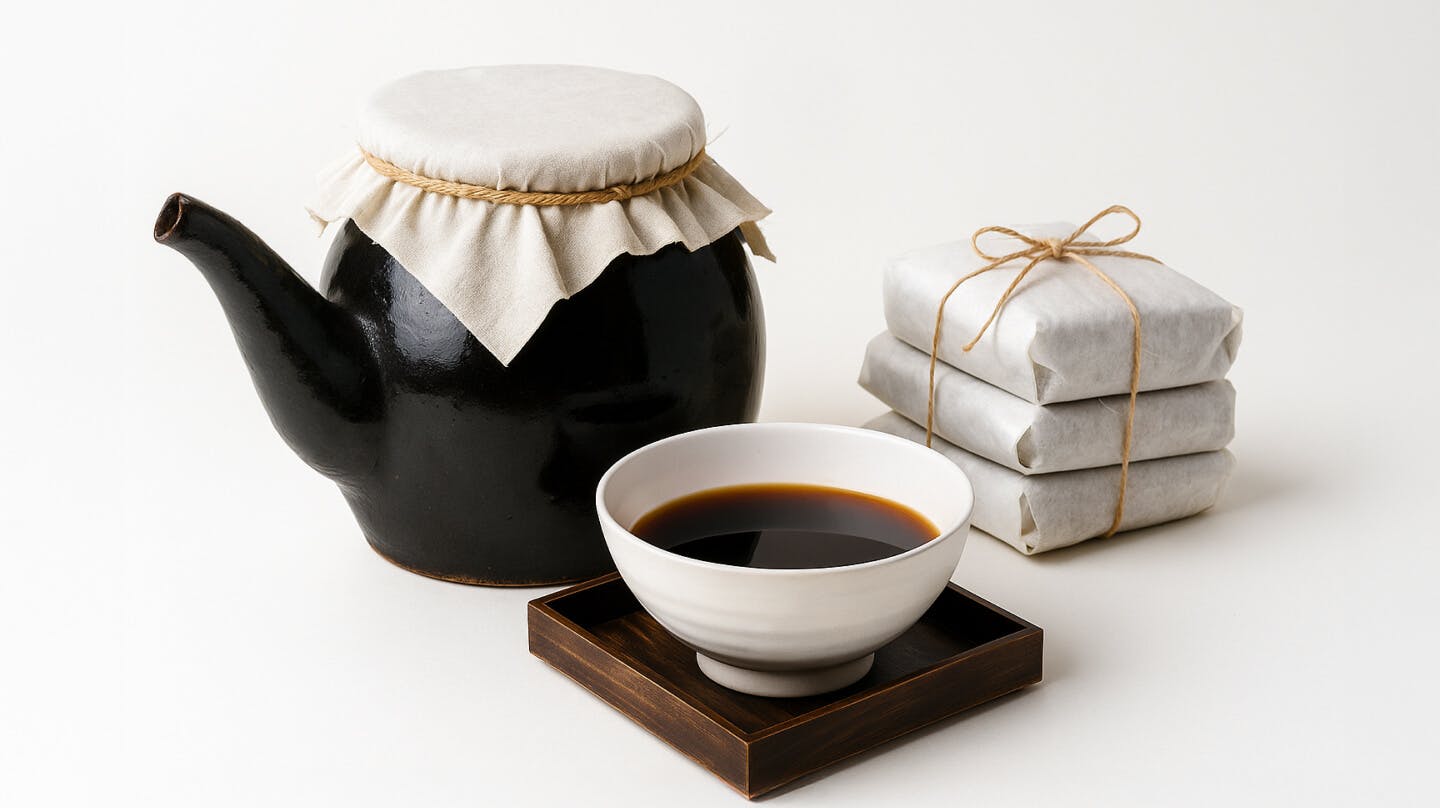
Korean medicine is a therapeutic approach that comprehensively diagnoses a person's constitution and condition, utilizing medicinal herbs in complex combinations for treatment purposes.
Therefore, unlike teas made with single ingredients, Korean medicine combines various medicinal herbs with different effects to treat multiple targets.
In technical terms, it's called a 'multi-target agent' that works on various systems in our body to treat more fundamental and complex symptoms. For example, taking Korean medicine that warms the body can simultaneously treat cold hands and feet, menstrual pain, and diarrhea!
There's also a difference in concentration. Health functional foods or teas often contain small amounts of main ingredients like red ginseng, along with other herbs, sweeteners for taste, flavoring agents for aroma, and food additives for texture.
Korean medicine, however, is made by boiling 100% pure medicinal herbs, so it has higher active ingredient concentrations.
Full Article: https://www.thepylonsquare.com/blogs/health-beauty/herbal-tea-vs-korean-medicinal-what-s-the-difference


